Exploring the World of Food Packaging: Categories, Applications, and Innovations for a Environmentally Conscious Future
Food packaging's landscape is rapidly evolving. Conventional materials such as glass, metal, and cardboard remain vital for protection and durability. Simultaneously, cutting-edge options such as bioplastics and edible packaging are gaining momentum. These advancements not only address environmental concerns but also enhance food safety. As consumer preferences shift, the industry faces new challenges and opportunities. How will food packaging's future appear in an increasingly sustainability-focused world?
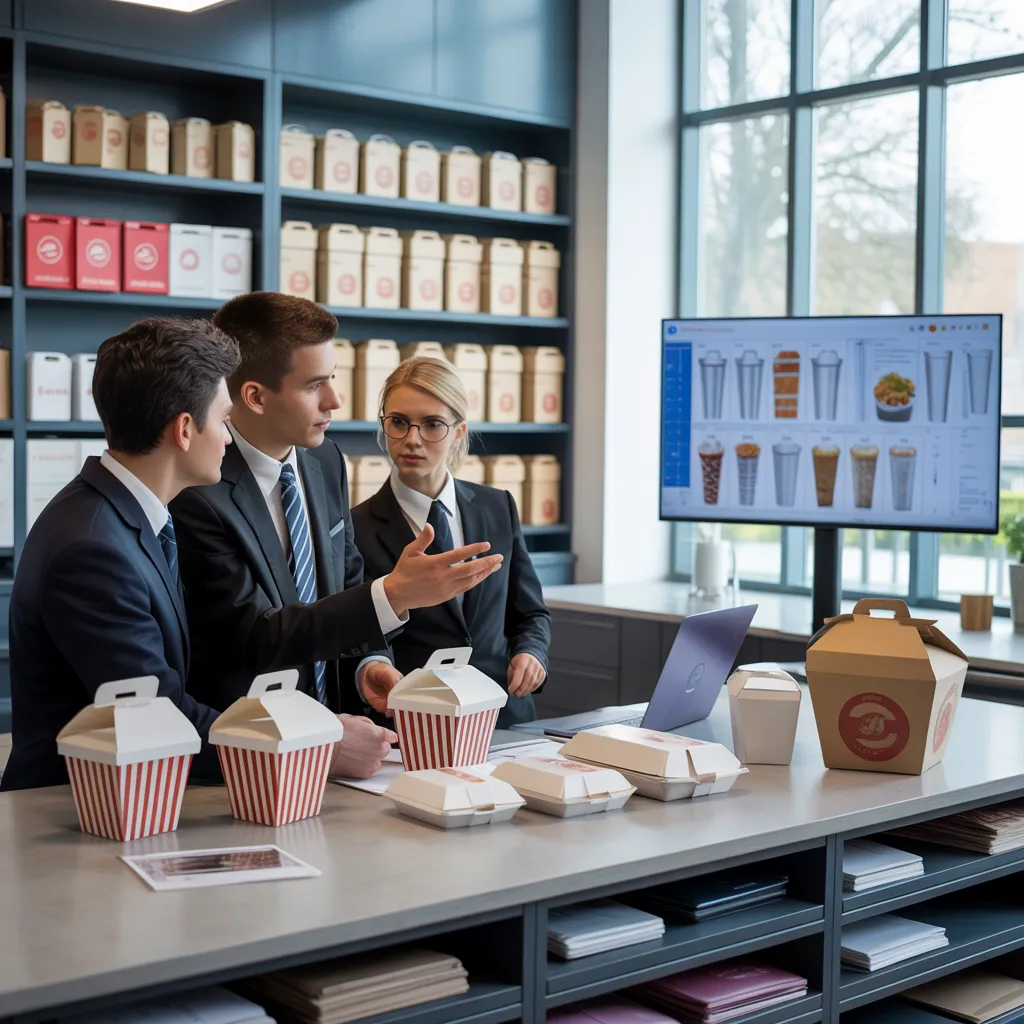
Classic Food Packaging Materials: Glass, Metal, and Cardboard
Conventional food packaging materials, such as glass, metal, and cardboard, have remained fundamental to the preservation and distribution of food products. Glass containers, known for their impermeable nature and inert characteristics, safeguard food from external contaminants while enabling consumers to see the contents. Metal packaging, such as cans and tins, delivers durability and an extended shelf life, making it perfect for perishable items. Aluminum and steel are commonly used because of their lightweight properties and recyclability. Cardboard, a flexible and biodegradable material, provides structural support for diverse food items, from cereals to frozen goods. It is also easily customizable with printing for branding purposes. Each of these materials has unique strengths, contributing to food safety and reducing spoilage. Their long-standing use highlights the importance of traditional packaging in the food industry, even as new materials and innovations emerge in response to shifting consumer preferences and environmental concerns.
Contemporary Advances in Food Packaging: Edible Solutions and Bioplastics
As awareness of environmental issues grows, the food packaging industry is continuously integrating innovative solutions such as bioplastics and edible packaging. Bioplastics, derived from renewable resources like corn starch and sugarcane, present a sustainable alternative to traditional petroleum-based plastics. These materials not only reduce dependency on fossil fuels but also have the potential to biodegrade, minimizing waste in landfills.
Concurrently, eatable packaging options are becoming increasingly popular. These advanced materials can be made from carbohydrates, proteins, or lipids and are meant to be ingested together with the food items they safeguard. Eatable films and coatings serve to improve taste, prolong shelf life, and reduce food waste.
Bioplastics and edible solutions both represent a major shift toward sustainability in food packaging. As manufacturers adopt these innovations, they support a circular economy, minimizing the environmental impact of packaging while satisfying consumer demand for sustainable options.
Food Packaging's Role in Safety and Preservation of Food
Food packaging fulfills an essential role in maintaining food safety and preservation, acting as the first line of defense against contamination and spoilage. By creating a barrier between food and external factors such as air, moisture, and pathogens, packaging assists in preserving product quality during its entire shelf life. The application of materials such as vacuum-sealed plastics and modified atmosphere packaging stops oxidation and microbial proliferation, reducing food waste and extending freshness.
Additionally, proper labeling and tamper-evident features improve consumer trust by offering crucial information about expiration dates and safe handling practices. Cutting-edge designs, such as resealable pouches, enable repeated access while limiting exposure to contaminants. In addition, advancements in smart packaging technology, which can observe and indicate spoilage, are developing as crucial tools in food safety. Ultimately, effective food packaging not only protects the integrity of food products but also promotes public health by lowering the risks linked to foodborne illnesses.
Green Solutions in Food Packaging: Decreasing Waste and Carbon Footprint
In what ways can sustainable practices in food packaging contribute to a healthier planet? By utilizing eco-friendly materials and reducing waste, the food packaging industry can significantly reduce its environmental impact. Biodegradable and compostable materials, such as plant-based plastics, replace traditional petroleum-based options, facilitating easier breakdown and reducing landfill contributions. Furthermore, lightweight packaging designs decrease material usage and transportation emissions, contributing to shrink carbon footprints.
Highlighting recyclability also plays a critical role; materials created for straightforward recycling can stimulate consumer participation and reduce the incidence of waste. Companies progressively adopt groundbreaking practices such as refillable containers and minimized packaging sizes, which not only improve resource use but also attract environmentally conscious consumers. Through these sustainable practices, the food packaging sector can support a circular economy, where resources are reused and waste is limited, eventually leading to a healthier planet for future generations.
Future Trends in Food Packaging: Smart Solutions and Consumer Choices
Which cutting-edge developments are defining the future of food packaging as consumer preferences shift? The industry is progressively moving toward smart packaging solutions that enhance user experience and ensure product safety. Innovations including temperature-sensitive materials and QR codes are attracting attention, allowing consumers to trace freshness and origin. Additionally, biodegradable and compostable materials are being embraced as awareness of environmental impact grows.
Additionally, the rise of e-commerce has spurred the design of packaging that can withstand shipping while reducing waste. Lightweight designs and minimalistic approaches are also becoming popular, catering to consumer demand for convenience and sustainability.
As health-conscious choices dominate consumer behavior, packaging that includes features like resealability and portion control is on the rise. These trends signal a shift toward cleverer, environmentally conscious solutions that correspond to consumer values, underscoring the need for manufacturers to respond to changing demands in the food packaging landscape.
Questions & Answers
How Do Food Packaging Materials Affect Flavor and Freshness?
Food packaging materials significantly influence taste and freshness by creating barriers against oxygen, light, and further information moisture. Properly designed packaging can retain taste and lengthen product life, ensuring that products continue to be attractive and safe for consumers.
What Regulations Oversee Food Packaging Safety Standards?
Regulations from agencies like the FDA and EFSA govern food packaging safety standards, establishing guidelines on material safety, labeling, and environmental impact to safeguard consumer health and maintain product integrity.
How Can Buyers Spot Sustainable Packaging Alternatives?
Customers can recognize sustainable packaging alternatives by seeking out certifications, such as compostable or recyclable logos, ensuring minimal packaging, and choosing products with green materials, consequently making informed choices that support ecological sustainability.
What Are the Environmental Consequences of Plastic Food Packaging?
Plastic food packaging is a significant contributor to environmental concerns, such as pollution, wildlife harm, and greenhouse gas emissions. Its persistence in ecosystems leads to long-term ecological damage, highlighting the pressing requirement for sustainable alternatives in packaging solutions.
How Might Food Packaging Shape Consumer Purchasing Decisions?
Food product packaging substantially impacts consumer purchasing decisions by capturing interest through aesthetic elements, communicating quality standards, and providing essential information. Eye-catching visuals and sustainable materials often persuade consumers to choose one product over another.